
Shutter Styles
Tier on tier shutters
Two independent sections, each with its own set of louvres, giving you complete flexibility to control light and privacy across the full height of your window. The most versatile shutter style we offer.
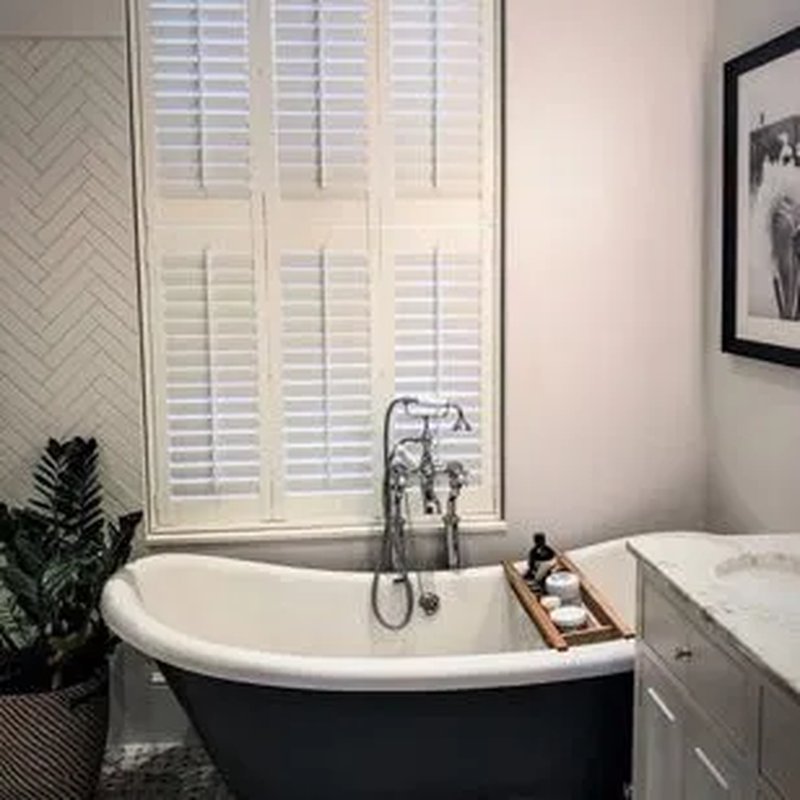
How tier on tier shutters work
Tier on tier shutters consist of two separate sets of panels, one above the other, each hinged independently within the same frame. The top tier and the bottom tier can be opened, closed and adjusted completely independently of each other.
This means you can close the bottom panels for privacy while folding the top panels back against the frame to let in maximum light. You can tilt the upper louvres to one angle and the lower louvres to another. You can fold both tiers open to fully expose the window, or close everything for complete coverage.
The key difference between tier on tier and a full height shutter with a mid-rail is that with tier on tier, each section can be physically opened and folded back. A mid-rail only allows the louvres to tilt independently. Tier on tier gives you that same louvre control plus the ability to fold the actual panels away.
This distinction matters more than it might sound. On a bright morning you might fold back the top panels entirely while keeping the lower ones closed, creating an effect similar to café style shutters. In the evening you can close everything for warmth and privacy. The flexibility is genuinely useful.
The perfect complement to sash windows
Scotland has no shortage of beautiful sash windows. From the Georgian terraces of Edinburgh's New Town to the Victorian tenements of Glasgow's West End, sash windows are a defining feature of Scottish architecture. Tier on tier shutters were designed with exactly these windows in mind.
The division between the upper and lower tiers naturally aligns with the meeting rail of a sash window. This creates a harmonious visual relationship between the shutter and the window behind it, where the horizontal lines echo each other rather than competing.
More practically, tier on tier shutters allow you to access each sash independently. If you want to open the upper sash for ventilation, you can fold back the upper tier of shutters without disturbing the lower ones. If the lower sash needs cleaning, the lower tier folds out of the way while the upper section stays in place.
This independent access is something that full height shutters cannot offer without opening the entire panel, which is why tier on tier is often the preferred choice for traditional sash windows.
Bay windows and beyond
Bay windows present a particular opportunity for tier on tier shutters. Because a bay typically consists of three or more windows at different angles, the ability to control each section of each window independently is especially valuable.
You might close the lower tier on the window facing the street while leaving the side windows fully open. Or you might adjust each tier to a different angle depending on where the sun is at different times of the day. The number of possible configurations is far greater than with any other window treatment.
Tier on tier shutters also work well on tall, narrow windows, staircase windows and any opening where the height is significantly greater than the width. The horizontal division breaks the window into more manageable proportions and prevents the panels from looking excessively tall.
For ground floor properties on busy streets, tier on tier offers a middle ground between full height and café style. You get the complete coverage when you need it, but with the option to fold away the upper section during the day for a more open feel.
Available materials
Tier on tier shutters are available in most of our material ranges, including the premium hardwood options Fiji and Samoa, our mid-range Java and Bermuda, and the value-focused Antigua. For bathrooms and wet areas, Cuba offers a waterproof alternative.
Our Portchester aluminium range is also available in tier on tier configuration. Aluminium is a particularly good choice for larger windows where the lightweight material reduces strain on hinges over time, and the precision engineering of the aluminium louvres gives an exceptionally clean, contemporary look.
Because tier on tier shutters have more components than a standard full height shutter, the choice of material can have a more noticeable effect on the overall weight and feel of the panels. During your consultation we will discuss which materials are most appropriate for the size and position of your specific windows.
Living with tier on tier shutters
The real pleasure of tier on tier shutters reveals itself over time. As the seasons change and the daylight shifts, you will find yourself adjusting the tiers in ways that feel instinctive. A little more light here. A little more privacy there. A completely different configuration for a sunny afternoon compared to a winter evening.
This adaptability is what sets them apart. No other window treatment, whether curtains, blinds or other shutter styles, gives you quite the same level of day-to-day control without any of the fuss.
They are also remarkably low maintenance. A light dusting or occasional wipe with a damp cloth is all that is needed to keep them looking their best. There are no cords to tangle, no fabrics to launder and no mechanisms to fail. Just solid, well-engineered panels that will continue to work beautifully for decades.
What Our Customers Say
"I don't often give out five stars, but this 5-star review is completely justified. Quick response, expert advice, great communication throughout, and a superb installation."
David Corbett
"The shutters and blinds are simply amazing and really dress each window so well, producing an outstanding finish to each room. The products are of such high quality and were installed with such care, attention and professionalism."
Julie Sangster, Portlethen
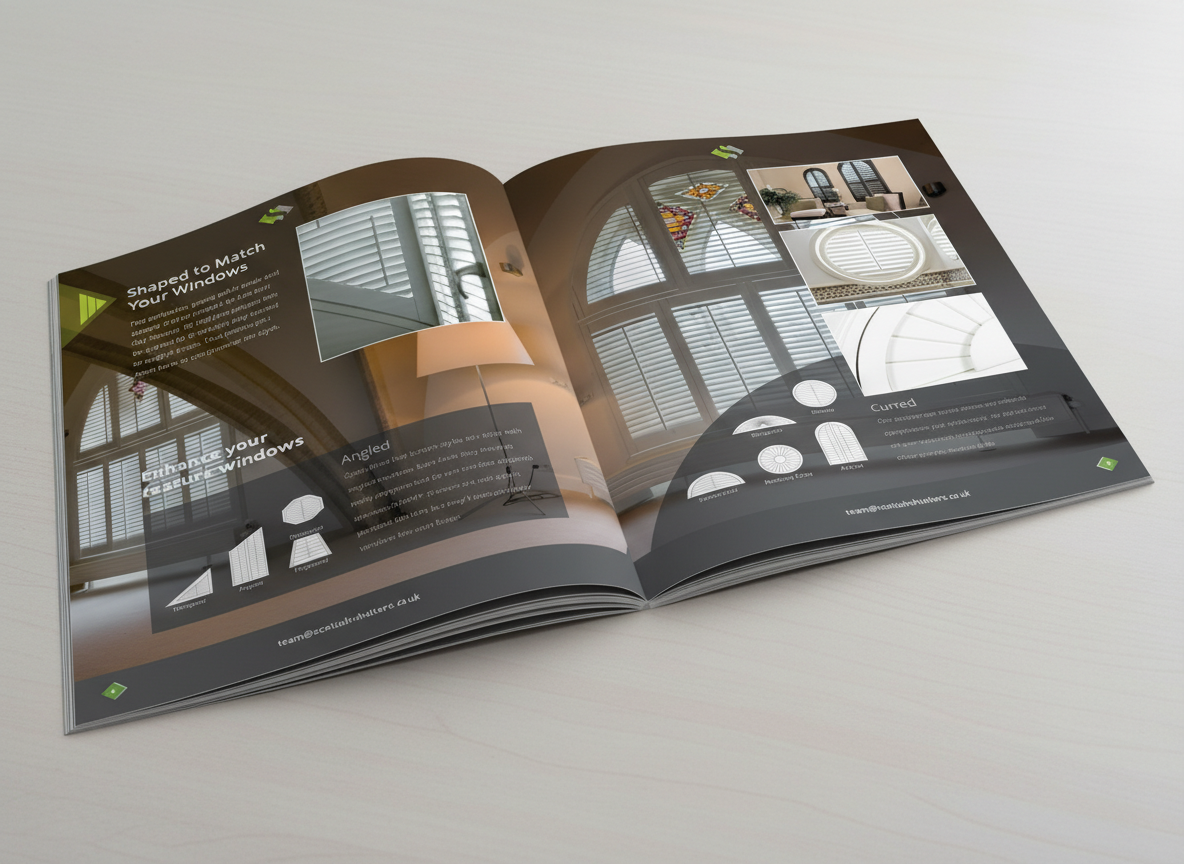
Start with our brochure
52 pages of ideas, product details, and real installations from homes across Scotland. Request your copy and take the first step.